Tattoo Cover-Ups: How to Transform Unwanted Ink Into Art
Tattoos are meant to be permanent expressions of personal identity, creativity, and life experiences. Yet, as time passes, what once felt meaningful may no longer resonate, or a design may no longer fit your evolving style. Many people find themselves facing regret over poorly executed tattoos, faded ink, or designs that no longer align with their personality. Fortunately, tattoo cover-ups offer a transformative solution, allowing you to turn unwanted ink into a fresh, compelling piece of art. This process doesn’t just hide the old tattoo; it reimagines it, giving your skin a renewed canvas that aligns with your current aesthetic vision.
In recent years, cover-up tattoos have gained prominence in the tattoo industry, reflecting both advancements in ink quality and artist techniques. Today, skilled tattoo artists can effectively camouflage older work while creating designs that are intricate, aesthetically pleasing, and personalized. Cover-ups are no longer limited to simple shapes or dark overlays—they can be sophisticated works of art. Understanding the nuances of tattoo cover-ups—from design selection and color choices to the technical challenges involved—empowers individuals to make informed decisions and embrace their tattoos with confidence once again.
1. Understanding Tattoo Cover-Ups
What Is a Tattoo Cover-Up?
A tattoo cover-up is the process of tattooing over an existing design to conceal, alter, or improve its appearance effectively. Unlike laser removal, which gradually erases ink over multiple sessions, cover-ups transform unwanted tattoos into new works of art efficiently and safely. Cover-ups can range from small touch-ups to complete design overhauls, depending on the complexity, size, and color density of the original ink design.
Why People Opt for Cover-Ups
The motivations for tattoo cover-ups vary widely among clients for multiple personal reasons:
- Tattoo regret: Designs chosen impulsively or during younger, less-informed years of life decisions.
- Faded or distorted ink: Tattoos that have lost sharpness due to aging or poor initial execution quality.
- Life changes: Shifts in personal style, beliefs, priorities, or individual affiliations over time.
- Professional concerns: The need for discreet, subtle, or work-appropriate body art appearance.
By addressing these challenges strategically, cover-ups provide a practical solution balancing artistry and personal expression beautifully.
Key Challenges in Cover-Ups
Successful cover-ups are not as simple as layering ink over existing lines perfectly. Artists must navigate several significant challenges:
- Ink density and color: Dark or heavily saturated tattoos require careful planning to prevent old designs from showing through.
- Tattoo placement: Certain body areas may limit artistic design options due to skin elasticity or visibility.
- Design compatibility: Not all tattoos can seamlessly replace older ink, requiring creative adaptation and thoughtful planning.
Understanding these factors is critical to ensuring a cover-up looks natural, professional, and visually cohesive after completion.
2. Selecting the Right Design for a Cover-Up
Assessing the Existing Tattoo
Before choosing a new design, a thorough evaluation of the current tattoo is essential for successful planning. Key aspects include:
- Size and shape: Larger tattoos provide more flexibility for transformation and design integration.
- Color palette: Dark or bold inks may need strategic layering or integration into the new design.
- Condition of the skin: Scar tissue, fading, or texture can affect ink absorption and long-term outcome.
Design Strategies for Effective Coverage
Experienced artists use several proven strategies to create seamless and visually appealing cover-ups:
- Incorporation: Integrating elements of the old tattoo into a new design, maintaining some artistic continuity.
- Dark-to-light technique: Using darker inks strategically to obscure existing lines while highlighting key areas in lighter shades.
- Pattern complexity: Geometric shapes, mandalas, or intricate line work help mask previous designs professionally.
Real-World Example
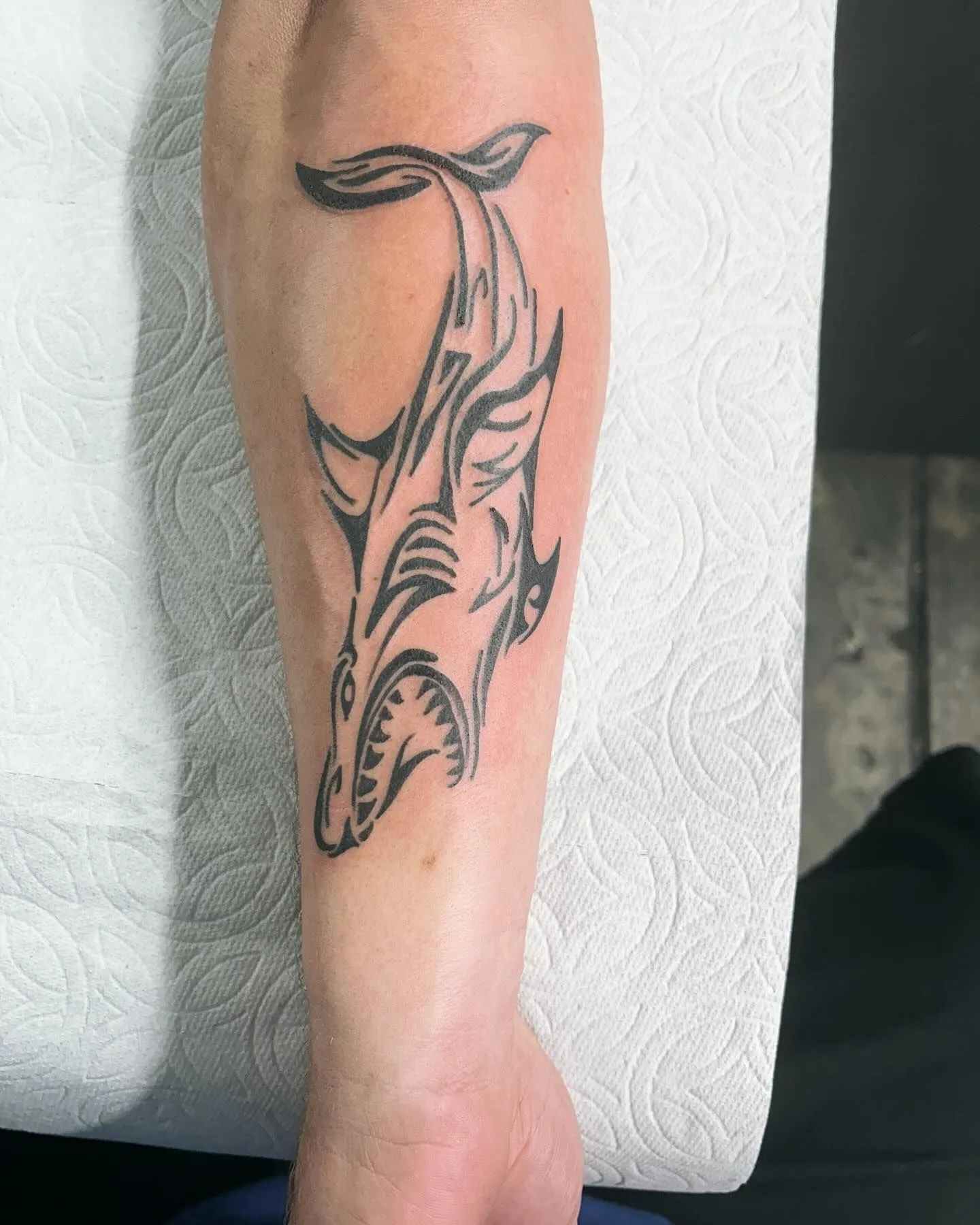
A client with a poorly executed tribal tattoo on the upper arm may transform it into a dynamic sleeve featuring waves, mountains, and wildlife. The original black lines are camouflaged under darker shades and complex patterns, producing a natural, visually striking design that perfectly aligns with the client’s current aesthetic vision.
3. Color Considerations in Cover-Ups
The Role of Color in Masking Old Ink
Color selection is one of the most critical elements in professional cover-ups and tattoo artistry. Darker shades—such as deep blues, purples, or blacks—are commonly used to obscure older tattoos effectively. Selective use of vibrant colors can enhance the design without compromising coverage or visual harmony.
Matching Skin Tone and Design Aesthetic
Effective cover-ups require careful attention to skin tone and overall design balance to ensure seamless integration. Artists ensure colors complement each other, the client’s complexion, and the intended style perfectly. For example:
- Muted tones: Ideal for subtle, professional designs that maintain discretion and style.
- Bold colors: Work well for artistic, statement pieces demanding attention and intricate detailing.
Color Layering Techniques
Artists often employ color layering, gradually blending darker shades over old ink while preserving highlights in strategic areas. This technique prevents the cover-up from looking flat or uneven, ensuring depth, dimension, and visual clarity in the final tattoo.
Expert Tip
It’s essential to consult an experienced, professional artist who can analyze both the existing tattoo and desired design. A skilled professional can suggest color adjustments or blending techniques that maximize coverage while maintaining a polished aesthetic appeal.
4. Techniques and Styles for Cover-Up Tattoos
Common Cover-Up Styles
Several styles lend themselves particularly well to effective and professional cover-ups, including:
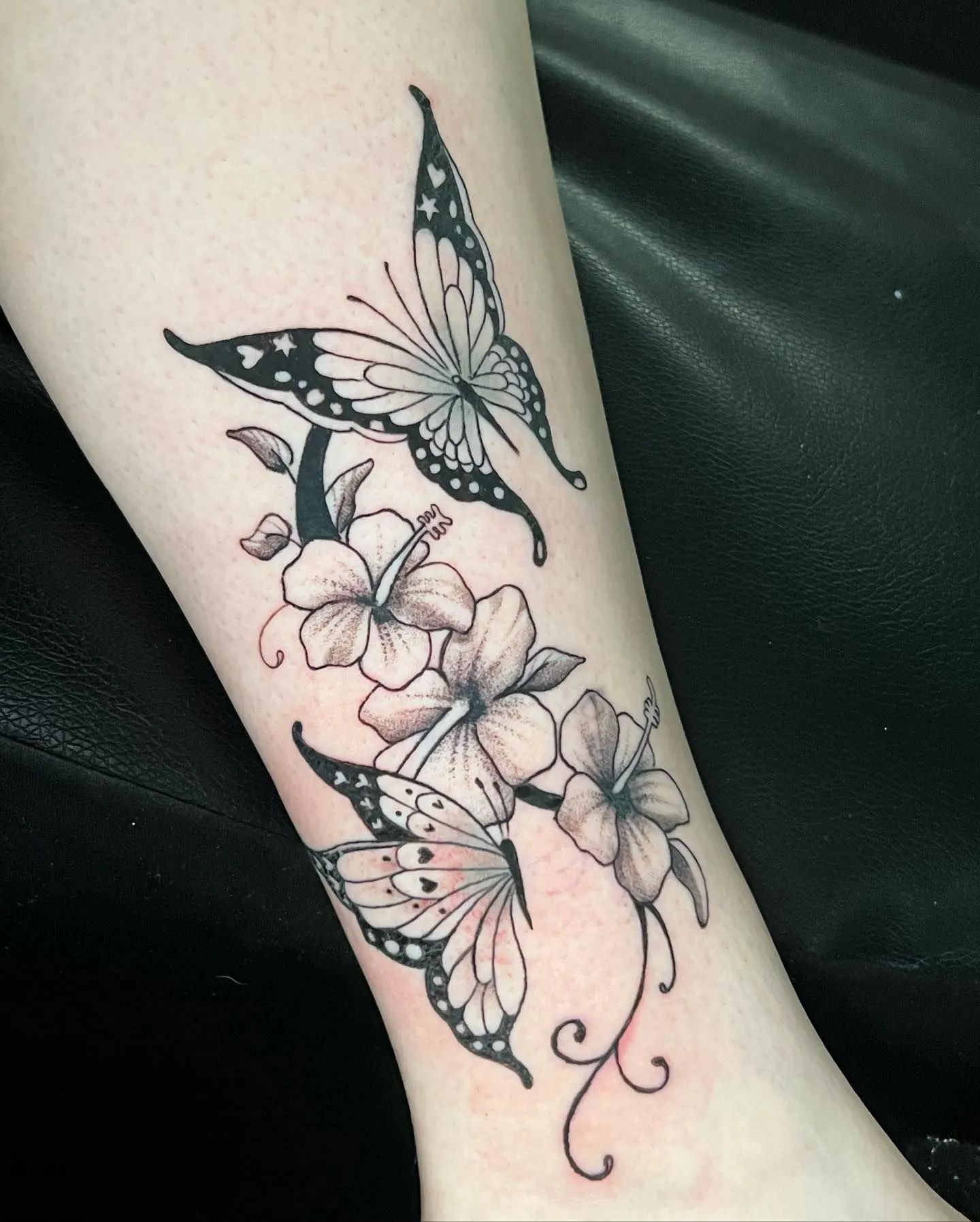
- Floral and botanical designs: Excellent for masking old shapes with natural curves, layering, and flow.
- Geometric patterns and mandalas: Highly effective for complex coverage and achieving symmetry effortlessly.
- Animal and wildlife designs: Detailed shading and patterns conceal underlying ink successfully and attractively.
- Abstract and watercolor styles: Ideal for soft, flowing coverage, blending colors organically into surrounding skin.
Technical Considerations
Cover-up tattoos require specialized techniques to achieve optimal and long-lasting results:
- Line work precision: Clean, bold lines help obscure old designs and sharpen new elements professionally.
- Shading depth: Gradual shading creates natural transitions and visual depth, enhancing overall tattoo dimension.
- Ink density management: Proper control ensures underlying tattoos remain hidden without overloading the skin’s surface.
Challenges Artists Face
Some tattoos resist full coverage due to excessive fading, overlapping ink, or deeply ingrained pigments. In such cases, artists may suggest:
- Partial cover-ups: Focus on improving select elements rather than attempting full concealment unnecessarily.
- Layered sessions: Allowing skin to heal between sessions ensures optimal ink retention and design clarity professionally.
5. Preparing for a Cover-Up Tattoo
Consultation and Planning
A successful cover-up begins with a detailed professional consultation with a skilled artist. During this stage, the artist evaluates the old tattoo, discusses potential design options, and sets realistic expectations. Clients should bring references, ideas, and maintain an open mind to explore creative possibilities fully
Skin Preparation and Care
Proper skin preparation is essential for successful ink absorption and overall design longevity:
- Hydration: Well-moisturized skin enhances ink retention and improves healing outcomes.
- Avoiding sun exposure: Sunburned or tanned skin may negatively affect tattoo quality.
- Patch testing: Some professional artists perform test strokes to ensure coverage and proper healing response.
Setting Realistic Expectations
Cover-up tattoos are transformative but may not fully erase the original design entirely. Clients should understand that:
- Complex or dark tattoos may require multiple sessions for optimal results.
- Some old designs may subtly show through lighter areas of the new design.
- Patience and proper aftercare are essential for a lasting, visually appealing result.
6. Aftercare and Maintenance for Cover-Ups
Immediate Post-Tattoo Care
Proper aftercare ensures the cover-up heals correctly and maintains its intended visual impact:
- Follow artist instructions: Clean, moisturize, and protect the tattoo exactly as recommended.
- Avoid scratching or picking: Prevents scarring, pigment loss, and long-term damage.
- Limit sun exposure: UV rays can fade both new and old tattoo ink prematurely.
Long-Term Maintenance
Cover-ups require ongoing care to preserve their color vibrancy, detail, and overall quality:
- Routine moisturizing: Helps maintain skin elasticity and keeps ink looking fresh.
- Touch-ups: May be necessary over time, especially for intricate or highly detailed designs.
- Protective measures: Using SPF during outdoor exposure preserves color intensity and skin health.
Benefits of Professional Aftercare Guidance
Professional tattoo artists provide guidance tailored specifically to your cover-up, accounting for skin type, ink density, and design location. This personalized approach ensures optimal healing and long-term tattoo longevity, preventing issues such as color bleed, fading, or distortion. Expert advice guarantees the cover-up remains as beautiful and professionally executed as intended.
Professional Insights from Expert Tattoo Artists Revealed
Tattoo cover-ups are more than a solution for regret—they are an opportunity to transform outdated or undesired ink into meaningful, aesthetically pleasing art. By understanding the complexities of cover-up design, including color selection, technique, and placement, individuals can achieve results that align with their personal style and artistic vision. With careful planning, professional expertise, and diligent aftercare, cover-ups can provide long-lasting, visually stunning transformations that restore confidence and satisfaction in body art.
At Illuminati Tattoo Co., based in Las Vegas, Nevada, we bring over 50
years of combined experience in creating transformative tattoo cover-ups. Our team of skilled artists specializes in turning unwanted ink into intricate, personalized designs that reflect your current style and personality. We understand the technical challenges of cover-ups and use advanced techniques to ensure seamless results. Whether you’re seeking subtle enhancement or a bold new piece, Illuminati Tattoo Co.
is committed to delivering professional, trustworthy, and artfully executed tattoos that you’ll proudly wear for a lifetime.