Skin Peeling and Itching a Few Days After? What's Part of Normal Healing
State and Local Licensing Requirements
Technique matters. Fine line and single-needle work is often gentler because the needle does not pack the skin as heavily, while bold traditional lines, dense black-and-grey shading, and color packing involve more passes over the same area and tend to build more discomfort. Time is its own factor, too. Adrenaline can carry you through the first hour, but as it fades, an area that felt manageable early can feel rawer late in a long sitting. That is one reason larger pieces are often split across multiple sessions.
Your own threshold
Spore Testing
Piercing should take place in a space that is either a dedicated room or a clearly defined station separated from high-traffic areas. This separation matters because it reduces the risk of environmental contamination. Studios where piercing happens in an open walk-through corridor or directly on the sales floor without separation are not set up to maintain the sterile field that the procedure requires..
How you show up
Quick Answer: Peeling and itching are two of the most predictable stages of tattoo healing, usually showing up somewhere between day four and day ten as the outer layer of irritated skin sheds and new skin forms underneath. It looks a little alarming the first time, especially if you're staring at flakes of color-tinted skin in the shower, but it's the same process your body runs any time skin has been through trauma and needs to rebuild its surface. The flaking should be light, the itch manageable, and both should taper off within two to three weeks. What isn't normal is spreading redness, heat, swelling that keeps getting worse, or pain that climbs instead of settles, and those are worth a message to your artist or a visit to a professional rather than something to wait out.
Why a Tattoo Peels in the First Place
Getting tattooed is thousands of tiny punctures delivered in a tight grid, and your skin responds to that the same way it responds to a sunburn or a scrape: by treating the surface as damaged and replacing it. The needle deposits pigment into the dermis, the layer beneath the epidermis, but the epidermis directly above it still took a beating in the process. That top layer dries out, hardens slightly, and eventually lifts away in small sheets or flakes as fresh skin cycles in underneath.
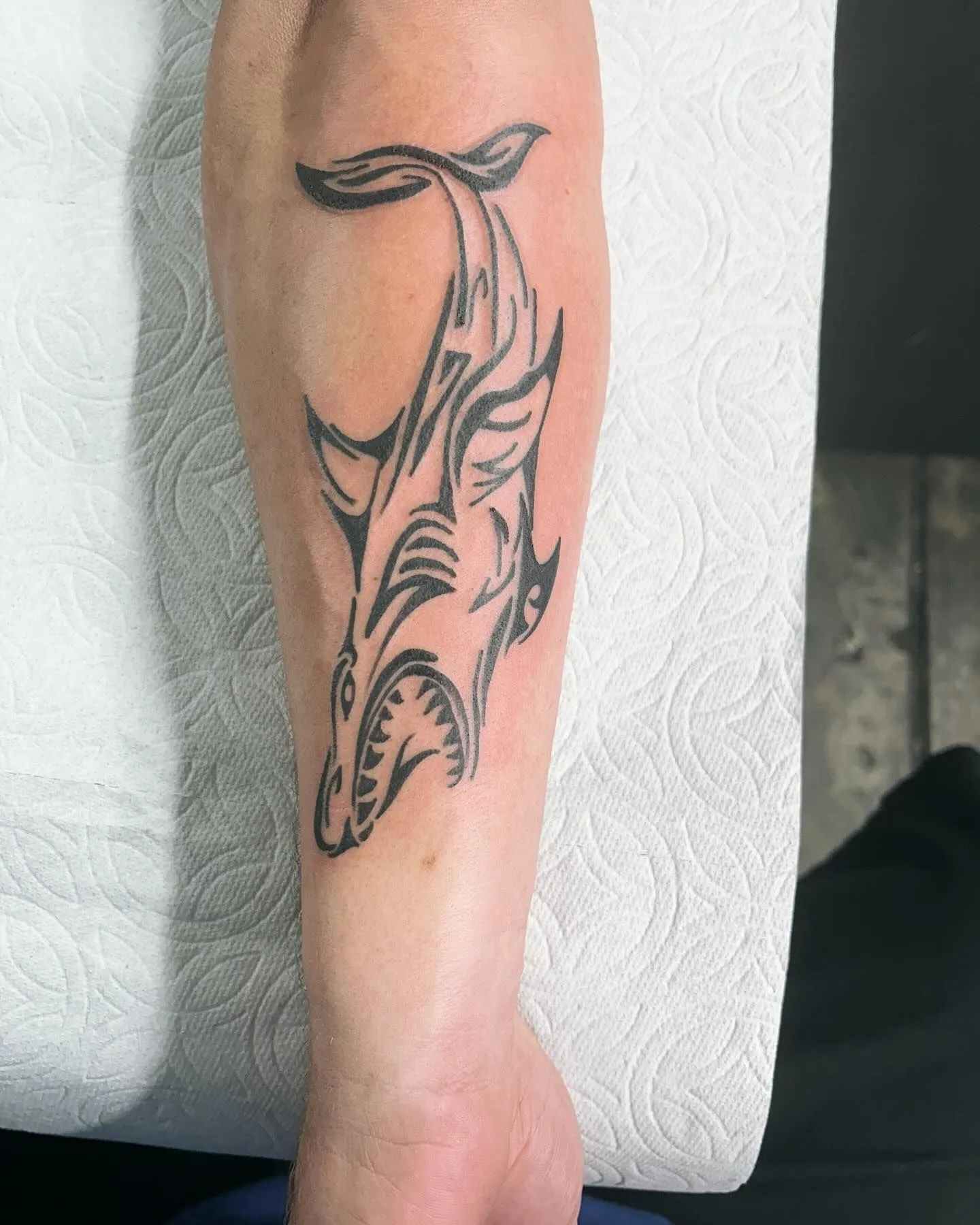
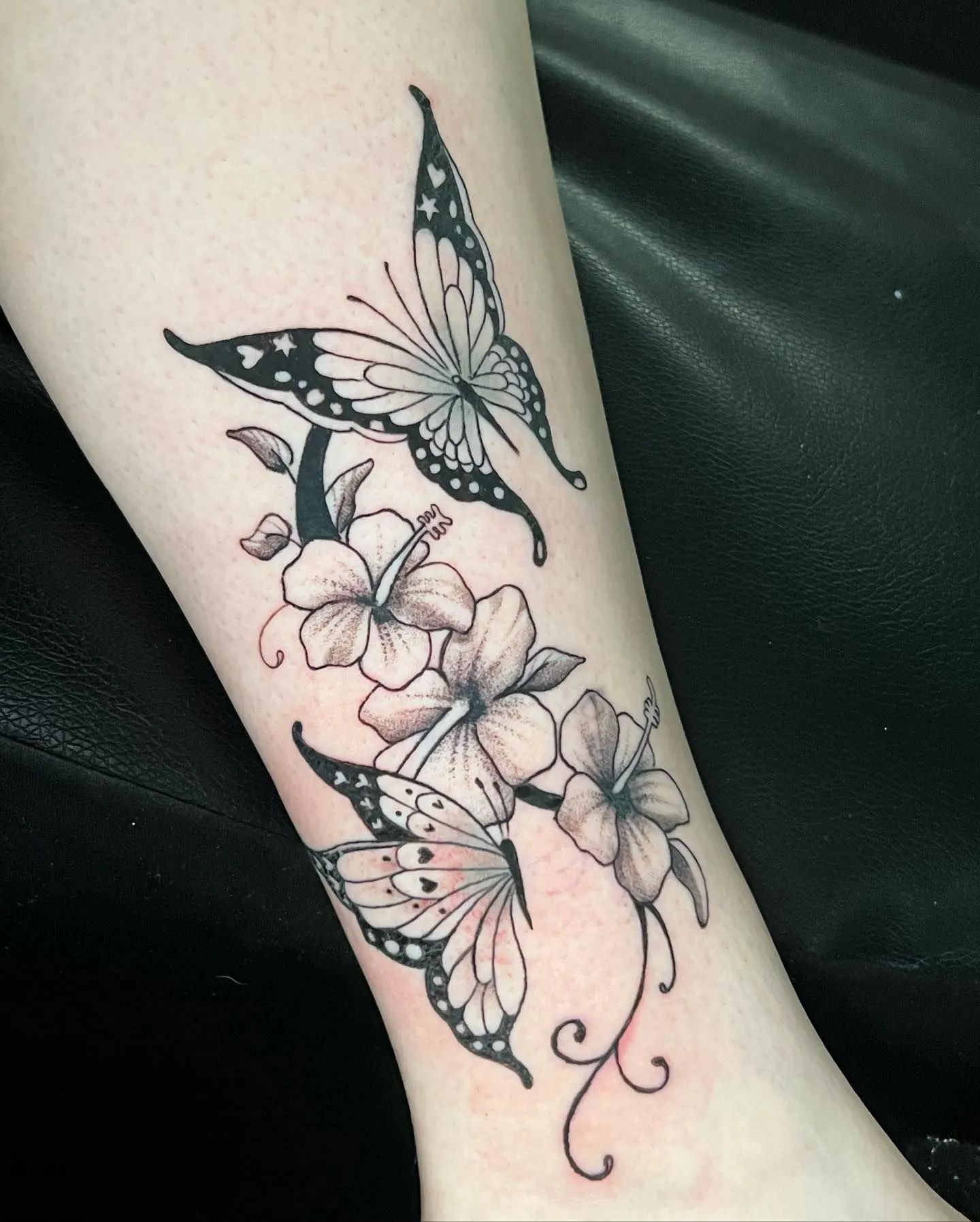
This is why the flaking phase often lines up with the tattoo looking a little dull or cloudy. You're seeing healing skin sitting over ink that hasn't fully settled yet, not a sign the color is disappearing. Once the peeling finishes and that surface layer is gone, most of the sheen returns and the linework looks sharper again. Artists sometimes call this stage the "ugly duckling" phase for exactly that reason. It looks rougher before it looks right.
Peeling typically starts around day four or five and can run for a week to ten days depending on placement, the size of the piece, and how your particular skin heals. Areas with thinner skin or more movement, like hands, ribs, or feet, sometimes peel a bit longer than a flat, stable spot like the outer arm or thigh.
Why the Itch Shows Up Right Alongside It
Itching tends to arrive on the heels of peeling, and the reason for that overlap is simple. As new skin cells form and the old surface dries and tightens, nerve endings in the area get more active. Dry, tightening skin is itchy skin, full stop. A tattoo just covers more surface area than a typical scab or graze, so the itch can feel more intense than what you'd expect from a smaller scrape.
The itch usually peaks in the same window as the peeling, roughly days five through ten, then fades as the skin finishes shedding and settles into its healed texture. Some people barely notice it. Others describe it as one of the more uncomfortable parts of the whole process, second only to the tattoo session itself. Both experiences are within the normal range, and neither means healing is going wrong.
Tip: When the itch hits, resist scratching and pat or gently slap the area instead. A firm pat interrupts the itch-scratch signal without dragging a nail across skin that's still fragile, and it's far less likely to pull a flake loose before it's ready to come off on its own.
What Counts as Normal During This Stretch
It helps to know the range of what's expected so a normal healing tattoo doesn't send you into a panic spiral at 11 p.m. searching your symptoms. During the peeling and itching window, small, thin flakes of skin should come off gradually rather than in large chunks, sometimes carrying a bit of ink tint with them. The tattooed area will likely feel dry and tight between rounds of moisturizer, and the itch that goes with it should sit at noticeable-but-tolerable rather than sharp or burning. The tattoo itself often looks a little dull or hazy during this window, with redness that stays close to the linework instead of spreading, and mild warmth to the touch is common too, especially right after a shower or on a hot Las Vegas afternoon.
None of that means anything has gone wrong. It means your skin is doing exactly what skin does after a controlled injury. The uncomfortable part is temporary, and pushing through it without picking, scratching, or over-treating it is usually the fastest way to the other side.
What Isn't Part of Normal Healing
There's a real difference between an itchy, flaking tattoo and one that's telling you something is off, and the line between them is worth knowing before you're staring at your own arm trying to decide. Signs that go beyond typical peeling and itching include redness that keeps expanding away from the tattoo rather than staying close to the linework, swelling that gets worse instead of better after the first couple of days, heat that spreads beyond the tattooed area, or pain that increases rather than gradually easing off. Discharge that's thick, yellow, or green, along with a noticeable odor, also falls outside the range of ordinary healing.
If you notice any of that combination, or you're just not sure whether what you're seeing fits the normal pattern, the right move is reaching out to the studio where you got the work done or seeing a medical professional. A quick photo sent to your artist can often settle the question fast, and a piercer or tattooer who's seen thousands of tattoos heal has a good eye for spotting the difference between an irritated tattoo and one that needs actual medical attention.
Warning: Never diagnose or treat what looks like an infection on your own with home remedies, extra-strength ointments, or antibiotics left over from something else. If you suspect an infection, contact your artist and see a doctor. Self-treating can mask what's happening and delay the care an actual infection needs.
How to Get Through the Peeling and Itching Stage Comfortably
A few habits make this stretch noticeably easier without interfering with how the tattoo actually heals. Keep the area clean with a gentle, fragrance-free soap and lukewarm water, then pat it dry rather than rubbing. Apply a thin layer of an unscented, water-based lotion once the initial healing product your artist recommended has been used through its early window. Thick, heavy, or oil-based products tend to trap moisture against the skin rather than let it absorb, which can prolong the peeling instead of shortening it.
Loose clothing over the tattooed area cuts down on friction, which matters more than people expect during the itchy phase since fabric rubbing against dry, tight skin makes the itch worse. If the tattoo is somewhere that catches a lot of contact, like a forearm brushing against a sleeve or a calf inside tighter pants, switching to looser layers for a week or two is worth the minor wardrobe adjustment.
A cool, damp cloth held against the area for a few minutes can also take the edge off an itch that's hard to ignore, especially in the middle of a Las Vegas summer when heat alone makes skin feel more irritated than it might in a milder climate. Staying hydrated and keeping the tattoo out of direct sun during this stage supports the same goal: giving your skin what it needs to finish the job without extra stress piled on top.
Why Vegas Skin Sometimes Needs a Little Extra Attention
Living somewhere with as little humidity as Las Vegas changes how a tattoo heals compared to a wetter climate. Dry desert air pulls moisture out of skin faster than it would in a place with more humidity in the atmosphere, which means the tightening and flaking that come with normal healing can feel a bit more pronounced here. Skin that's already working to rebuild its surface has less ambient moisture to draw on, so it dries out faster between applications of lotion.
That's not a reason to worry, just a reason to be a little more consistent with moisturizing during the healing window than someone healing the same tattoo somewhere humid. A thin layer applied more frequently, rather than a thick layer applied less often, tends to work best in this climate. Air conditioning indoors adds another layer of dryness on top of the desert air outside, so even time spent inside during the hottest stretch of summer can pull moisture from a healing tattoo.
When the Peeling and Itching Should Be Done
Most people are through the bulk of the flaking and the worst of the itch by the two to three week mark, though the exact timeline shifts with tattoo size, placement, and individual skin. Smaller pieces on stable areas like the upper arm or shoulder often finish peeling closer to the ten-day mark. Larger pieces, or ones on areas that move and stretch a lot, can take a little longer to fully settle.
By the time the surface layer has finished shedding, the tattoo usually looks noticeably sharper and the color reads more true to what it'll look like once fully healed, which for most tattoos runs another few weeks beyond the point the surface feels normal again. If itching or flaking is still going strong well past that three-week window, or it seems to be getting more intense rather than less, that's a reasonable point to check in with your artist rather than assuming it'll resolve on its own.
Frequently Asked Questions
Is it normal for peeling skin to have color in it?
Yes. Those flakes are the outer damaged skin layer, and they often carry a bit of ink tint. The tattoo isn't losing color. The pigment that matters sits deeper and stays put.
How long does the itching phase usually last?
For most people, the itchiest stretch runs from around day five through day ten, tapering off as the flaking finishes. Some mild dryness can linger a few days beyond that, but it should keep improving.
Can I use ice or a cold pack directly on a peeling tattoo?
A cool, damp cloth is gentler than ice straight on the skin, since very cold temperatures against healing skin cause their own irritation. A few minutes of a cool compress eases itching without added stress.
Should I keep moisturizing once the peeling stops?
Yes. A light, unscented routine for a few more weeks after visible flaking ends supports how the tattoo settles and how color reads. Skin in a dry climate especially benefits from staying consistent afterward
Is it worse to have peeling on a larger tattoo?
Larger tattoos have more surface area going through the same process, so peeling and itching feel more noticeable with more happening at once. It's the same process, just bigger, and the same care applies.
What if only part of my tattoo is peeling and the rest isn't?
That's common and usually reflects differences in skin thickness or ink saturation across the design. Heavier shading sometimes sheds differently than fine linework in the same piece. Uneven peeling alone rarely signals a concern.
Reading Your Tattoo's Healing With Confidence and Patience
Peeling and itching read as alarming the first time, yet they sit squarely inside the ordinary arc of a healing tattoo, and knowing that ahead of time takes most of the worry out of the process. IIlluminati Tattoo Co. has watched skin move through this stretch for 50 years as a company in Las Vegas, NV, and that experience shapes the aftercare guidance every client leaves with, tailored to the design, the placement, and the dry desert air surrounding it.
Every tattoo settles on its own schedule, so a piece that flakes a little longer or itches a little harder than a friend's rarely signals a problem with the work. Watching for the difference between ordinary shedding and the warning signs of something more serious keeps the timeline in perspective. Once the surface finishes rebuilding and the color reads true again, the discomfort fades into memory, and what remains is a piece that has earned its place on your skin.