Worried a Tattoo Will Hurt Too Much? How Placement Changes What You Feel
State and Local Licensing Requirements
Spore Testing
Piercing should take place in a space that is either a dedicated room or a clearly defined station separated from high-traffic areas. This separation matters because it reduces the risk of environmental contamination. Studios where piercing happens in an open walk-through corridor or directly on the sales floor without separation are not set up to maintain the sterile field that the procedure requires..
Quick Answer: Yes, where you get tattooed has a big effect on how much it hurts. Spots with thicker skin, more fat or muscle padding, and fewer nerve endings tend to feel milder, while bony or nerve-dense areas like ribs, spine, hands, and feet usually feel sharper. Pain is still personal, so your threshold, the style of the work, and how long you sit all matter too. Knowing the general map lets you plan placement and design around what you can realistically handle. If you are anxious about a specific spot, talk it through with your artist before the needle starts.
You have wanted this tattoo for months. You know the design, you know roughly where it should go, and then a friend leans over and says the ribs are the worst place you could pick. Now you are second-guessing the whole thing, wondering whether you can even sit through it, and whether a different spot would spare you the worst of it.
That worry is one of the most common things people bring into a consultation, and it is a fair one. Tattoo pain is real, but it is not random. Where the needle lands on your body changes the sensation dramatically, because different areas of skin are built differently underneath. Understanding why some spots feel milder and others feel sharp gives you real control over the experience, so you can plan placement with clear eyes instead of secondhand horror stories.
Why Placement Changes the Sensation at All
A tattoo needle works by puncturing the top layers of skin repeatedly to deposit ink into the dermis, the middle layer. That is a controlled, repeated trauma to the skin, and how much you feel it depends on what sits under the surface at that spot.
Three things drive most of the difference. The first is skin thickness, because thicker skin puts more distance between the needle and the nerves and bone beneath it. The second is padding, meaning the fat and muscle that cushion the area and absorb some of the vibration. The third, and often the biggest factor, is nerve ending density: some regions of the body are simply packed with more nerve endings than others, and more nerves means a more intense signal reaching your brain. When a spot combines thin skin, little padding, and a lot of nerves, it tends to feel sharp. When it has thick skin, good padding, and fewer nerves, it usually feels more like an irritating scratch than a searing one.
The bone factor. Areas that sit directly over bone with almost nothing in between tend to feel more intense, partly because there is little cushioning and partly because the vibration carries. This is why joints and thin, bony regions have a reputation, and it is grounded in anatomy rather than folklore.
The Spots That Usually Feel Milder
If you are nervous, the good news is that several of the most popular tattoo placements are also among the more tolerable ones. These are the areas built with more of what softens the sensation.
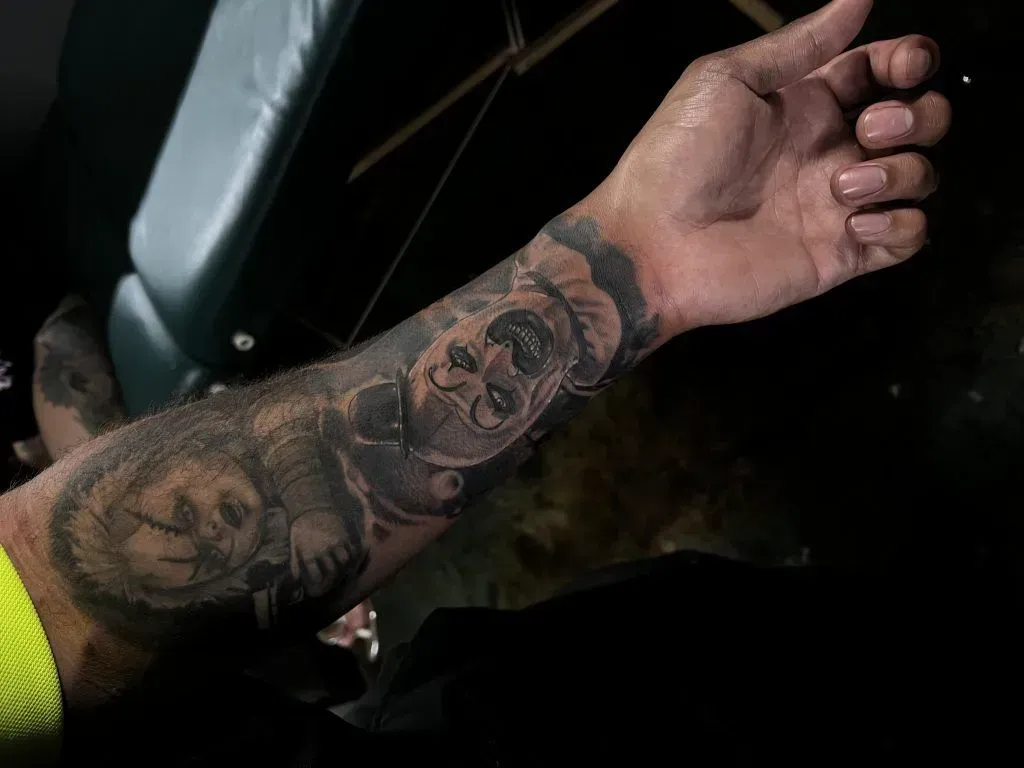
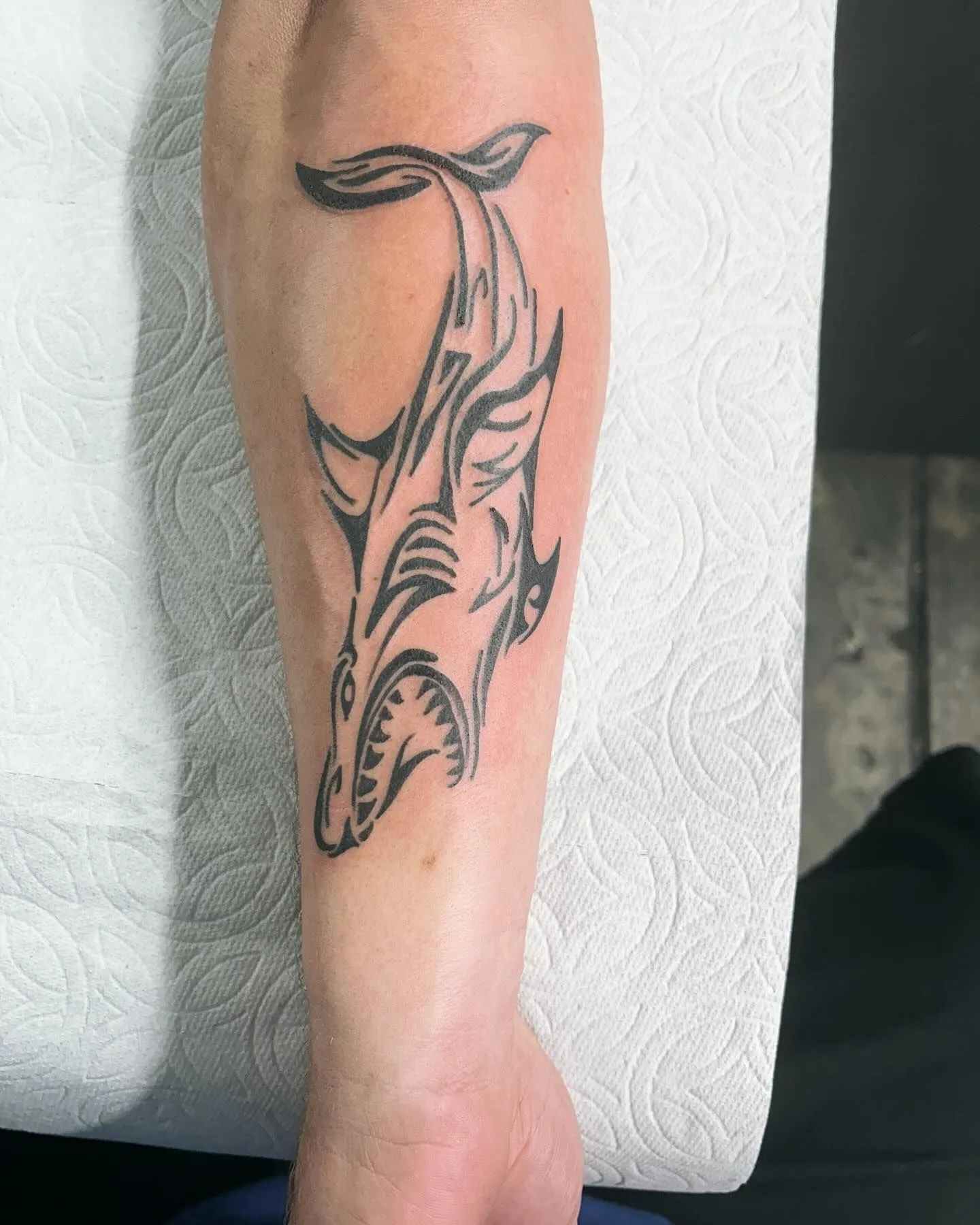
The outer upper arm and shoulder are frequently ranked as one of the easiest places to sit through. There is thick skin, solid muscle padding, and a lower concentration of major nerves, so many people describe it as a dull scratch even during a longer session. The outer forearm is another favorite, with a flat, stable surface, moderate tissue, and relatively low nerve density, which is part of why forearm tattoos are so common. The outer bicep offers similar padding, though the story changes fast as you move toward the inner arm and armpit, which are far more sensitive.
Below the waist, the outer thigh gives you a large, well-padded canvas with thick skin and fewer nerve clusters, making it a comfortable spot for bigger pieces. The calf is muscular with thick skin, and the outer back and shoulder blade are broad and padded, though anything close to the spine or a hip bone ramps up quickly. The buttocks and hips carry some of the thickest fat and muscle padding on the body, so many people report they feel more pressure and vibration there than sharp pain.
A gentler starting point for first-timers.
If this is your first piece and you are unsure how you will react, choosing one of these milder areas can make the whole experience less intimidating and give you a realistic sense of your own tolerance before you commit to something more sensitive later.
Tip: Not sure how a spot will feel? Borrow a trick artists use and pinch the skin there firmly for a few seconds. It is a rough, imperfect preview, but a spot that stings sharply when pinched will usually feel more intense under the needle than one that mostly feels like pressure.
The Spots With a Tougher Reputation
Some areas earn their reputation, and it helps to know which ones so a surprise placement does not catch you off guard. These are the regions where thin skin, little padding, or dense nerves stack up.
Ribs are near the top of almost everyone's list, because there is very little fat or muscle over them, just bone and a lot of nerve endings. The spine is similar, packed with nerves and minimally cushioned. Bony joints like the elbows, knees, and ankles tend to be sharp, and the neck, face, hands, and feet are high-sensitivity zones with thin skin and dense nerves. The inner arm, inner thigh, and the area near the armpit are noticeably more tender than their outer counterparts, even though they sit right next door.
None of this means these spots are off-limits. Plenty of people get rib pieces, hand
tattoos, and spine work and are glad they did. It simply means that if you choose one of these areas, you go in knowing it will likely be more demanding, and you plan the session and your mindset accordingly rather than being blindsided halfway through.
Placement Is Not the Only Thing You Feel
Location sets the baseline, but several other factors ride on top of it, and they explain why two people can describe the same spot completely differently.
Your own threshold
Pain is subjective, and everyone is wired a little differently. Genetics play a role, and there is some evidence that hormonal cycles and stress levels shift how intensely you perceive pain on a given day. Anxiety in particular tends to heighten sensation, because a tense body reads the input as more threatening.
The style and the session length
Technique matters. Fine line and single-needle work is often gentler because the needle does not pack the skin as heavily, while bold traditional lines, dense black-and-grey shading, and color packing involve more passes over the same area and tend to build more discomfort. Time is its own factor, too. Adrenaline can carry you through the first hour, but as it fades, an area that felt manageable early can feel rawer late in a long sitting. That is one reason larger pieces are often split across multiple sessions.
How you show up
Your state on the day makes a real difference. Arriving well-rested, fed, and hydrated gives your body more to work with, while showing up hungover, exhausted, or on an empty stomach tends to make everything feel more intense. Living in the dry desert heat around Las Vegas, it is easy to arrive more dehydrated than you realize, so drinking plenty of water in the days before helps more than people expect.
Warning: Some sensitivity, redness, and a bit of soreness are normal parts of getting and healing a tattoo. But sharp pain that keeps increasing after your session, skin that feels hot to the touch, fever, foul drainage, or spreading redness are not normal and can be signs of infection. This article is general education, not medical advice, so if you notice those signs, stop guessing and see a doctor.
Planning a Design Around What You Can Sit Through
The most useful thing to understand is that placement is a conversation, not a fixed rule. A good artist can often adapt the plan so you get the piece you want without signing up for more than you can handle.
If your heart is set on a sensitive spot, you have options. You can plan a shorter first session and build the piece over time, you can adjust the size or the level of detail so the sitting is briefer, or you can pick a slightly less tender neighboring area that still fits the design. If you are flexible on location, leaning toward a milder spot for a first tattoo is a reasonable way to ease in. The point is that knowing the pain map turns placement into a deliberate choice you make with your artist, rather than a gamble you take blind. An experienced artist has tattooed every part of the body many times over and can tell you honestly what a given spot tends to feel like and how to make the session as manageable as possible.
Frequently Asked Questions
Does tattoo placement really affect how much it hurts?
Yes. Pain varies depending on skin thickness, muscle and fat padding, and nerve density. Areas with thicker tissue usually feel less painful, while thin, bony locations containing many nerve endings generally produce stronger sensations during the tattooing process for most people.
Where does a tattoo hurt the least for a first timer?
Many first-time clients choose the outer upper arm, shoulder, forearm, calf, or outer thigh because these areas usually have thicker skin, more padding, and fewer nerve endings. They are commonly considered among the most comfortable tattoo placements for beginners overall.
What are the most painful places to get tattooed?
The ribs, spine, elbows, knees, ankles, hands, feet, inner arms, and inner thighs are generally considered the most uncomfortable tattoo locations. Limited cushioning and higher nerve concentrations increase sensitivity, making these placements feel noticeably more intense during longer tattoo sessions.
Can numbing help, and should I use it?
Numbing products may reduce discomfort for some people, especially on sensitive areas, but they rarely eliminate all sensation. Always discuss their use with your tattoo artist first because certain products may affect skin condition or how ink settles during application properly.
Does the tattoo style change how much it hurts?
Yes. Fine-line tattoos often feel gentler because they require fewer repeated passes. Heavy shading, bold outlines, and dense color packing involve additional needle work, increasing discomfort. Longer sessions also contribute because skin becomes progressively more sensitive as tattooing continues throughout.
How do I make a session more bearable?
Arrive well-rested, hydrated, and after eating a proper meal. Stay relaxed, breathe steadily, and tell your artist if you need a break. For larger tattoos, dividing the work across multiple appointments can reduce discomfort and make each session easier overall.
Choosing a Spot You Will Be Glad You Picked
Tattoo pain is manageable when you understand where it comes from, and placement is the single biggest lever you can pull. The areas built with thicker skin, more padding, and fewer nerves feel milder, the thin and bony ones feel sharper, and your own threshold, the style, and how you prepare all layer on top of that. None of it should scare you off the tattoo you actually want. It should just help you plan it, so the spot you choose fits both the design and what you can comfortably sit through.
Book a consultation to map out your placement and design before you commit — If you are torn between the tattoo you want and the spot you can sit through, the fix is a real conversation with an artist who can read your anatomy and adjust the plan. With 50+ years of combined company experience, Illuminati Tattoo Co.
helps clients in Las Vegas, Nevada, understand how different placements tend to feel, adapts the size, detail, and session length to keep the process manageable, and helps you choose a location that fits both your design and your comfort level. Reach out to start your custom design and choose a placement you will be glad you picked.