What to Expect When Getting a Custom Tattoo Designed from Scratch?
Custom tattooing has become one of the most personal forms of artistic expression, allowing individuals to wear meaningful artwork designed specifically for their stories, experiences, beliefs, and creative vision. Unlike flash tattoos selected directly from pre-made designs, custom tattoos involve collaboration between the client and artist to create something entirely original. This process requires thoughtful planning, open communication, artistic interpretation, and a clear understanding of how tattoo design works on the body. As tattoo culture continues evolving, more people are choosing custom artwork because it offers individuality, a stronger emotional connection, and long-term satisfaction with the final result.
Many first-time clients assume the process starts and ends with bringing an idea into a studio. In reality, custom tattoo design involves consultations, concept development, revisions, placement planning, scheduling, and preparation before tattooing begins. Professional artists carefully balance creativity, technical skill, skin anatomy, and longevity while transforming ideas into wearable artwork. Knowing what to expect allows clients to communicate better, trust the creative process, and make informed decisions throughout the experience from concept to completion.
Understanding the Initial Consultation Process
Discussing Ideas and Personal Inspiration
The first stage of creating a custom tattoo begins with a detailed consultation. This conversation allows us to explain our ideas, references, themes, symbolism, and desired artistic direction. Tattoo artists use this meeting to understand the purpose behind the design rather than simply copying an image from the internet. A custom tattoo should reflect personality, storytelling, cultural influence, emotional meaning, or aesthetic preference in a way that feels authentic.
Clients often bring inspiration photos, sketches, color palettes, or examples of artistic styles. While reference images help communicate visual direction, experienced artists reinterpret those concepts into original artwork tailored specifically for the individual. During consultations, artists may ask questions about symbolism, lifestyle, placement preferences, pain tolerance, and long-term goals for future tattoos.
Choosing the Right Tattoo Style
Different tattoo styles require different technical approaches and artistic expertise. Selecting the appropriate style helps shape the overall design process and final appearance. Some popular custom tattoo styles include:
- Realism
- Black and grey
- Traditional
- Neo-traditional
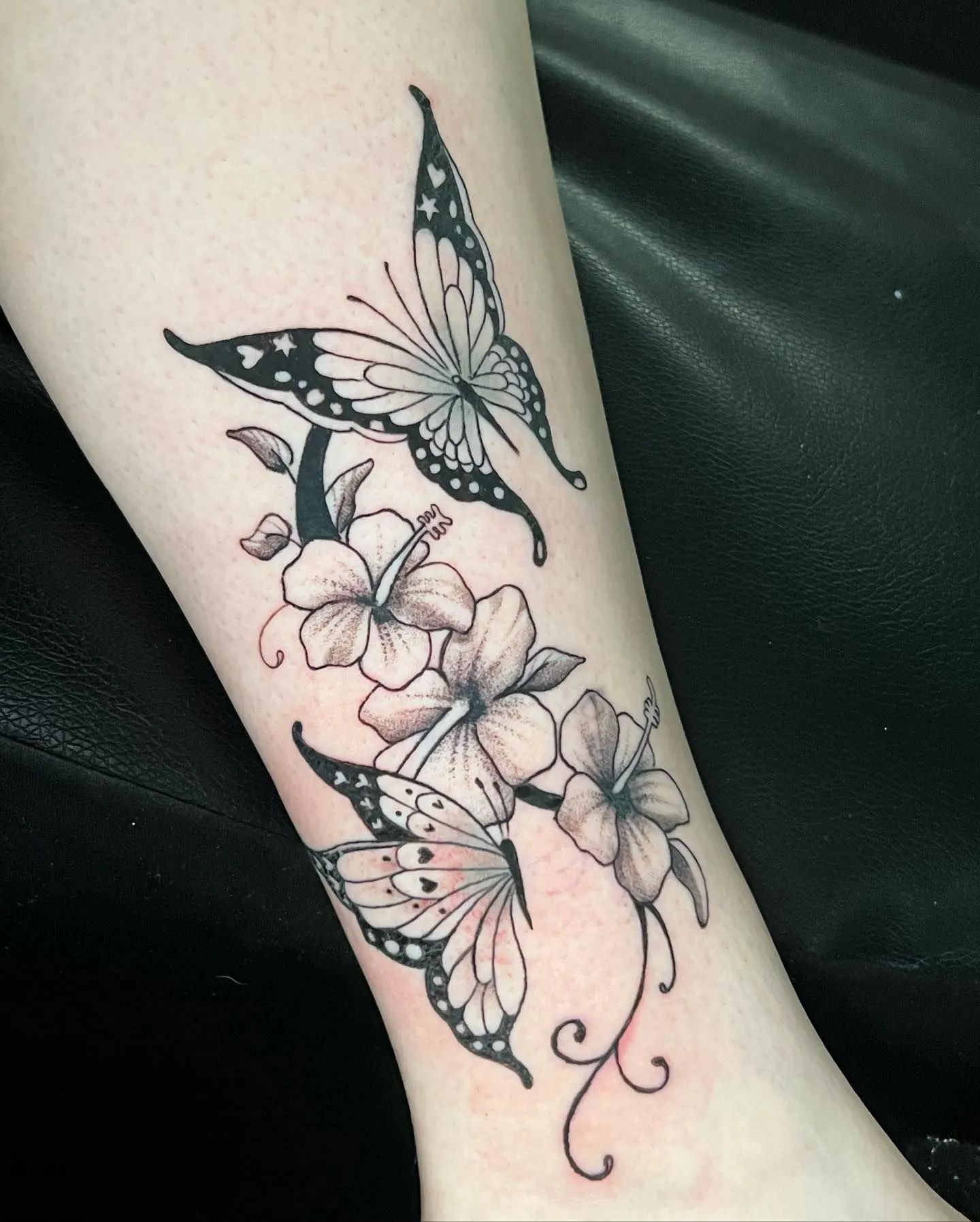
- Fine line
- Japanese
- Geometric
- Watercolor
- Illustrative
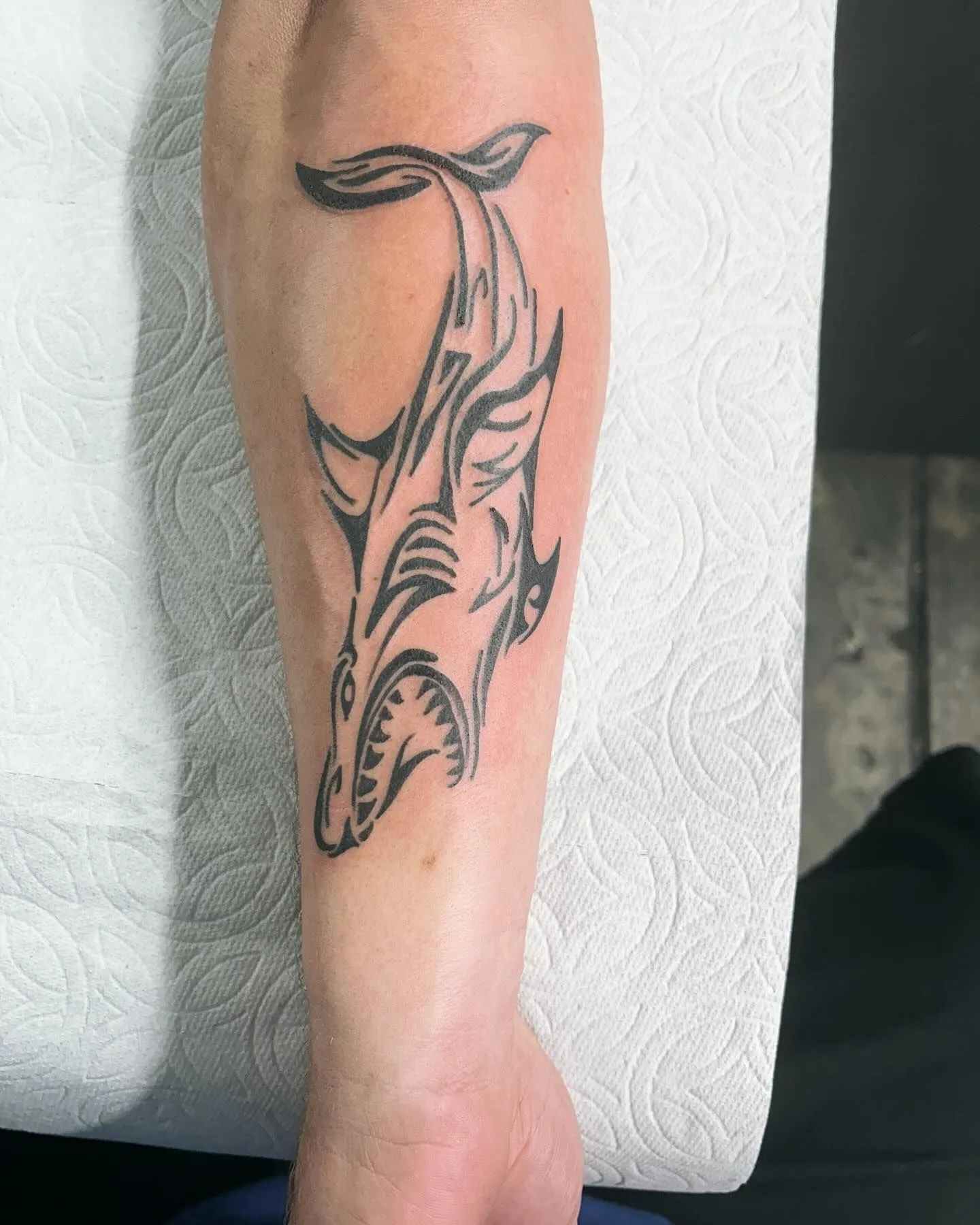
- Tribal
An artist specializing in black-and-grey realism may not produce the same results as someone focused on bold traditional work. Researching portfolios carefully helps clients find artists whose style aligns naturally with the desired outcome. This step reduces misunderstandings and increases confidence during the collaboration process.
How Artists Transform Concepts Into Wearable Artwork
Designing for Body Placement
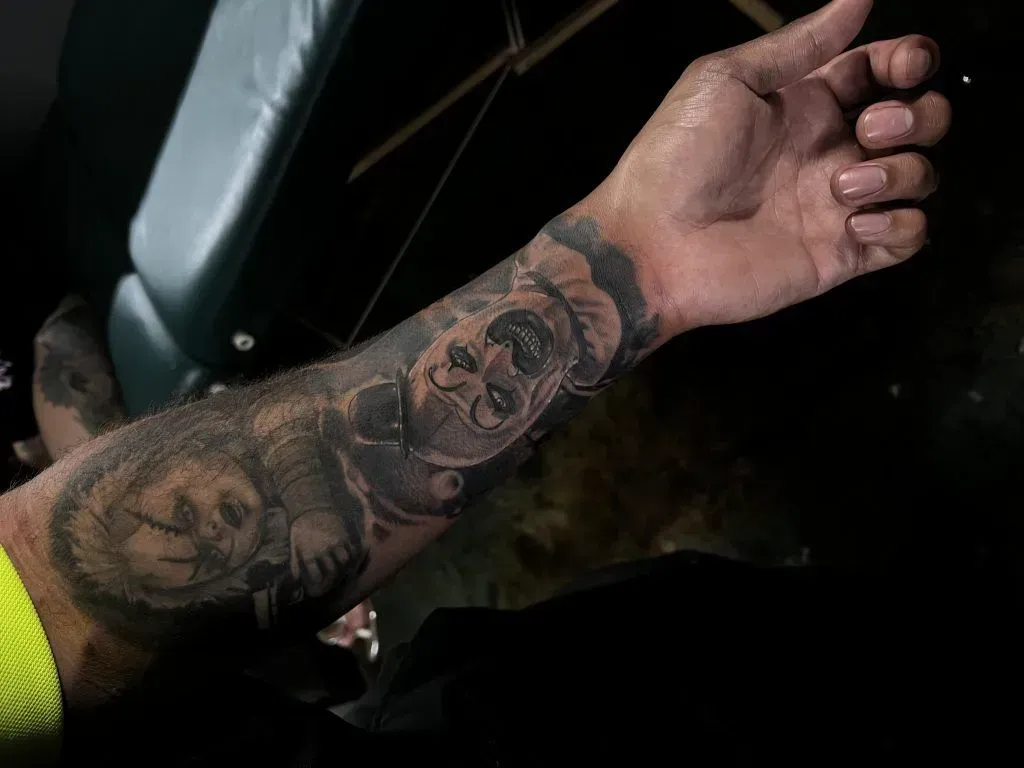
One of the biggest differences between digital artwork and tattoo design involves body anatomy. Tattoos are not flat illustrations placed on paper. Skin stretches, curves, ages, and moves differently depending on the location. Experienced tattoo artists design artwork around muscles, joints, bone structure, and natural body flow to ensure the tattoo complements movement and proportion.
For example, a sleeve tattoo may wrap strategically around the arm to maintain visual balance from every angle. A chest piece may follow the body's natural symmetry, while leg tattoos often account for muscle definition and movement. Placement affects size, detail level, visibility, and longevity.
Artists also consider how tattoos may age over time. Extremely tiny details or crowded compositions may blur as skin changes naturally. Professional design planning helps preserve clarity years after healing.
Balancing Creativity With Technical Limitations
Clients sometimes arrive with ambitious concepts that need refinement before tattooing begins. Certain colors may fade faster on specific skin tones, some details may not translate well into tattoo form, and placement areas can affect readability. Skilled tattoo artists help guide design adjustments without losing the original vision.
For example, someone requesting a highly detailed portrait on a finger may need to reconsider placement because fingers experience faster fading and distortion. Likewise, designs copied directly from photographs may require contrast adjustments so important details remain visible after healing.
The custom tattoo process works best when clients remain open to artistic recommendations. Professional artists understand how ink behaves beneath skin and how to adapt designs for durability and visual impact.
What Happens During the Design Approval Stage
Reviewing Drafts and Requesting Revisions
After the consultation, artists begin creating the custom design concept. Depending on the complexity of the project, this process may take days or weeks. Large-scale pieces such as back tattoos, sleeves, or multi-session projects often require more planning than smaller tattoos.
Once the draft is ready, clients typically review the artwork before the tattoo appointment. This stage allows us to evaluate composition, size, placement, details, and overall visual flow. Minor revisions are common and expected. Adjustments may involve changing lettering, refining symbols, repositioning elements, or modifying proportions.
However, excessive revisions can slow the process and create frustration on both sides. Successful collaborations happen when clients communicate clearly during the consultation and trust the artist's expertise afterward. Micromanaging every detail may limit creativity and weaken the final design.
Understanding Tattoo Deposits and Scheduling
Most professional tattoo studios require deposits for custom work. Deposits compensate artists for design time and secure appointment scheduling. Since custom tattoo creation involves hours of preparation before tattooing even begins, deposits protect the artist's time investment.
Policies vary between studios, but deposits are often non-refundable if appointments are canceled without sufficient notice. Clients should review scheduling policies carefully before booking sessions, especially for larger projects requiring multiple appointments.
Custom tattoo timelines also vary depending on artist demand and project complexity. Highly sought-after artists may book appointments several months in advance. Planning ahead helps avoid rushed decisions and allows enough time for proper collaboration.
Preparing for the Tattoo Appointment
Physical Preparation Before the Session
Preparing properly before a tattoo session can improve comfort, healing, and overall experience. Artists commonly recommend:
- Staying hydrated
- Eating a full meal beforehand
- Avoiding alcohol before the appointment
- Wearing comfortable clothing
- Getting adequate sleep
- Avoiding excessive sun exposure
Large tattoos may require several hours of sitting, making physical preparation important. Clients who arrive dehydrated, exhausted, or hungry may experience dizziness, discomfort, or increased sensitivity during the session.
For multi-session tattoos, maintaining healthy skin between appointments also supports better healing and ink retention.
Mental Expectations and Pain Management
Pain tolerance varies significantly depending on placement, duration, and individual sensitivity. Areas near bone, ribs, spine, hands, feet, and inner arms often feel more intense than fleshier areas such as thighs or outer arms. Understanding realistic pain expectations helps reduce anxiety before the appointment.
Tattoo sessions can also become mentally exhausting during longer appointments. Taking breaks, practicing calm breathing, and staying relaxed often helps clients manage discomfort. Experienced artists guide clients through the process and monitor physical stress throughout the session.
It is also important to understand that custom tattoos cannot be rushed. Precision work requires patience, especially when shading, linework, layering, and detailing are involved. Prioritizing quality over speed leads to stronger long-term results.
Healing, Aftercare, and Long-Term Tattoo Maintenance
Understanding the Healing Process
Once the tattoo session ends, healing becomes the client's responsibility. Even the best tattoo application can suffer if aftercare instructions are ignored. Healing generally occurs in stages over several weeks.
Immediately after tattooing, redness, swelling, and tenderness are common. During the following days, the tattoo may peel, itch, or appear cloudy while the skin regenerates. Proper aftercare reduces infection risk and helps preserve color saturation and detail quality.
Common aftercare recommendations include:
- Keeping the tattoo clean
- Applying recommended ointment
- Avoiding scratching or picking
- Staying out of pools and hot tubs
- Limiting direct sunlight
- Wearing breathable clothing
Following aftercare instructions carefully supports smoother healing and stronger final appearance.
Protecting the Tattoo Over Time
Long-term tattoo maintenance matters just as much as the initial healing phase. Sun exposure remains one of the leading causes of tattoo fading. Applying sunscreen regularly helps protect both black-and-grey and colored tattoos from premature deterioration.
Skin hydration also plays a role in maintaining tattoo appearance. Dry or damaged skin may reduce vibrancy over time. Clients investing in large custom tattoos often prioritize skincare routines to help preserve the artwork for years.
Touch-ups may occasionally become necessary, especially for tattoos placed on high-friction areas such as fingers, hands, or feet. Understanding long-term care expectations helps clients protect the investment made in custom artwork.
Established Tattoo Studio Providing Exceptional Custom Design Services
Custom tattoo design combines creativity, technical skill, body composition knowledge, communication, and long-term planning. Every stage of the process contributes to the final result, from the initial consultation to aftercare maintenance. Clients who understand how custom tattooing works often feel more confident, prepared, and satisfied throughout the experience. Building trust with an experienced artist, communicating openly, and respecting the creative process allows custom artwork to become more meaningful and visually successful over time.
For clients seeking professionally designed custom tattoos, Illuminati Tattoo Co. brings decades of artistic experience and tattoo craftsmanship to every project created in Las Vegas. With 50 years of industry experience, we understand the importance of combining creative collaboration, technical precision, and personalized design planning throughout every stage of the tattoo journey. Our approach focuses on helping clients feel informed, comfortable, and confident from the first consultation through the final healing process.
We work closely with each client to develop original artwork tailored to personal meaning, placement goals, artistic style, and long-term vision. Whether someone is planning a detailed sleeve, fine-line tattoo, large-scale body composition, black-and-grey realism piece, or symbolic custom artwork, we prioritize design quality, skin flow, and lasting visual impact. Every tattoo receives careful attention to composition, detail, and technical execution because custom work deserves thoughtful artistry rather than rushed production.