From Sketch to Skin: The Custom Tattoo Design Process Explained
Tattoos have transcended their traditional roles as mere body markings to become profound personal expressions, storytelling tools, and artistic statements. Each tattoo carries a narrative unique to the wearer, reflecting memories, beliefs, passions, or milestones. As a result, the process of creating a tattoo has evolved into an intricate blend of artistry, craftsmanship, and collaboration between the artist and client. Understanding how a design transforms from a simple concept to a piece of permanent art can demystify the experience and empower individuals to make informed decisions about their tattoos.
In today’s tattoo industry, where personalization is paramount, custom tattoo design has emerged as a cornerstone of professional practice. Unlike pre-designed templates or flash art, custom tattoos are conceived to meet the client’s vision, body anatomy, and lifestyle considerations. This blog delves into the detailed journey of a tattoo, tracing each stage from initial sketch to the finished ink on skin. By exploring design principles, communication strategies, technical execution, and practical considerations, this guide equips enthusiasts with a deeper understanding of the artistry and precision behind every custom tattoo. Whether you are a first-timer or a seasoned collector, knowing the process ensures a tattoo experience that is both meaningful and technically flawless.
The Initial Consultation: Defining the Vision
Understanding the Client’s Story
Every remarkable tattoo begins with a conversation. The consultation phase is where the client and tattoo artist align on expectations, style, and purpose. The artist gathers insights about the client’s story, personality, and the message they wish to convey. This step is crucial, as it provides the foundation for a design that resonates deeply with the individual. For instance, a client may seek a tattoo honoring a family member, symbolizing personal growth, or representing a passion.
Determining Placement and Scale
During consultation, artists also evaluate the optimal placement and scale of the tattoo. Factors such as body contour, skin elasticity, visibility, and future modifications influence these decisions. For example, intricate line work may require flatter areas like the forearm or back, while bold, abstract designs can adapt to curved surfaces like shoulders or calves. Proper placement planning reduces distortion over time, enhances aesthetics, and ensures comfort during the tattooing process.
Style Exploration and Reference Gathering
Another critical component of the consultation is exploring tattoo styles. Clients may be drawn to realism, traditional, neo-traditional, illustrative, or minimalist designs. Artists often provide visual references, mood boards, or past work samples to clarify expectations. This collaborative approach prevents misunderstandings, aligns artistic interpretation with client intent, and sets a clear trajectory for the sketching phase.
Benefits of a Thorough Consultation
Investing time in a comprehensive consultation yields multiple benefits. It establishes trust between the artist and client, ensures alignment of creative vision, and minimizes post-design revisions. Additionally, it allows the artist to anticipate challenges related to skin tone, texture, or medical considerations, ensuring the final tattoo is both visually appealing and technically feasible.
Conceptualization and Sketching: From Idea to Draft
Translating Ideas into Preliminary Sketches
Once the consultation is complete, the artist begins the conceptualization process. This phase involves translating abstract ideas into tangible sketches, exploring composition, form, and proportion. Initial sketches are often rough, focusing on layout and thematic coherence rather than detail. This iterative process allows the artist to experiment with various approaches, ensuring the final design is balanced and visually compelling.
Importance of Client Feedback
Early sketches are shared with clients for feedback, creating an interactive design process. Clients may request adjustments in size, orientation, or specific elements, such as integrating symbols or altering color palettes. This collaborative revision ensures the design evolves in alignment with the client’s vision, reducing the likelihood of dissatisfaction once the tattoo is inked.
Refinement and Detailing
Following feedback, the artist refines the sketch, incorporating intricate details, shading concepts, and line precision. At this stage, the sketch begins to resemble the final tattoo, with attention paid to depth, perspective, and visual flow. For example, in a floral sleeve, the artist considers the natural curvature of the arm to maintain balance and harmony across the design.
Tools and Techniques
Artists often rely on specialized tools, such as digital tablets for precise adjustments or tracing paper for overlaying designs onto the body’s contours. This flexibility allows them to test different orientations and make minor corrections before the design is finalized. Modern tattooing increasingly combines traditional hand sketches with digital refinement, optimizing both creativity and accuracy.
Technical Planning: Preparing for Ink
Mapping and Stenciling
Before tattooing begins, the refined design is transferred into a stencil. Stenciling acts as a blueprint, providing a precise outline for ink application. This ensures consistency, proportional accuracy, and alignment with body contours. Artists test the stencil on the client’s skin, making minor adjustments to accommodate movement, muscle structure, and curvature.
Color, Shading, and Layering
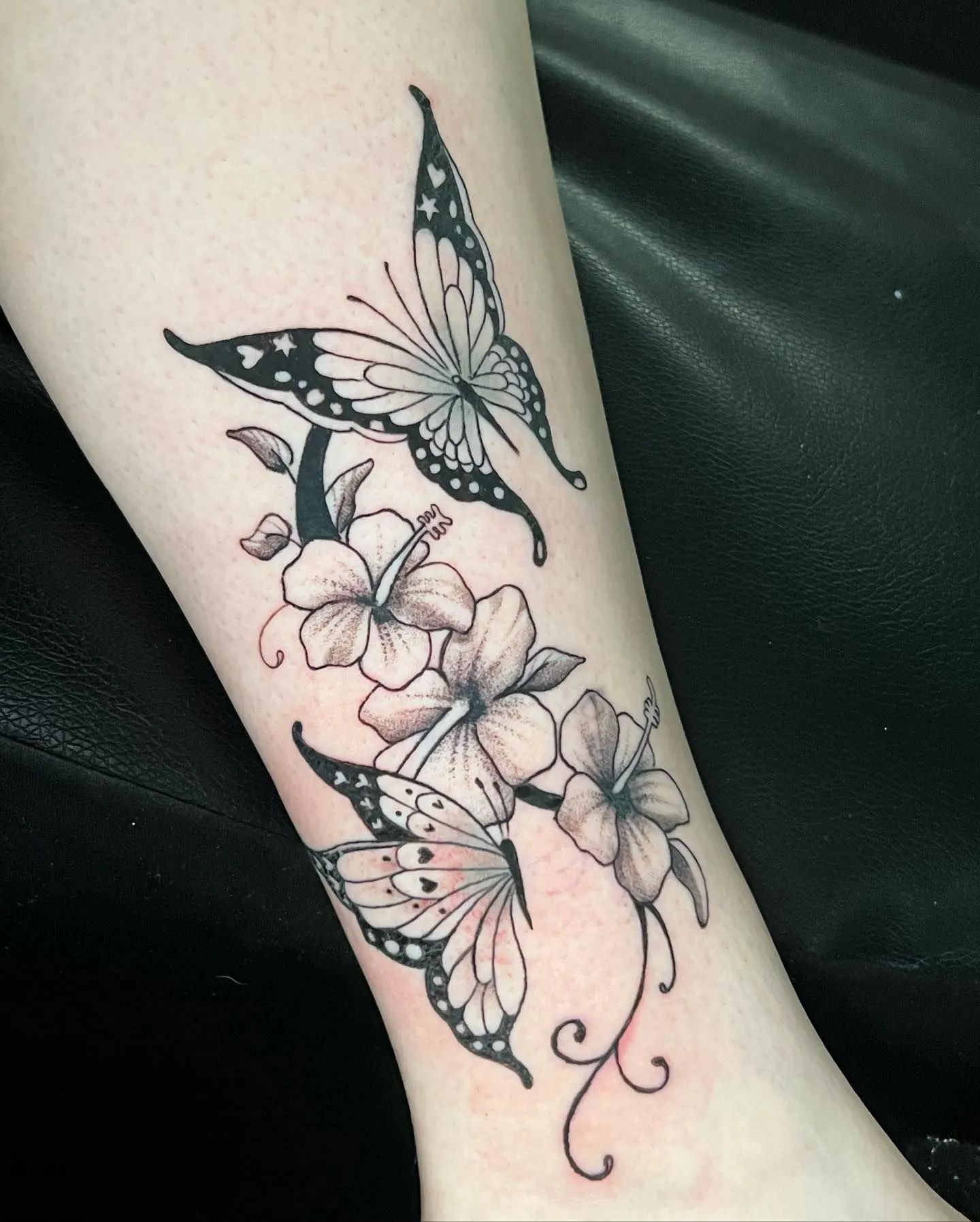
Technical planning also involves determining color schemes, shading techniques, and layering sequences. Realistic tattoos may require multiple passes for color saturation, while black-and-gray designs focus on gradient transitions. Planning these elements beforehand prevents uneven tones and ensures longevity, as skin texture and healing processes can impact final results.
Hygiene and Safety Considerations
Preparing the skin for tattooing involves rigorous hygiene practices. The area is cleaned, sterilized, and sometimes shaved to prevent contamination. Artists select appropriate needles, ink types, and equipment tailored to the client’s skin type. These technical preparations are critical to preventing infections, allergic reactions, and suboptimal healing outcomes.
Anticipating Challenges
Experienced tattoo artists anticipate challenges such as scar tissue, sensitive skin, or high-movement areas. Strategic placement and technique adjustments allow the design to remain visually coherent over time, even as skin naturally ages or stretches. Effective technical planning ensures both aesthetic appeal and long-term durability.
The Tattooing Process: From Skin to Art
Outlining and Precision
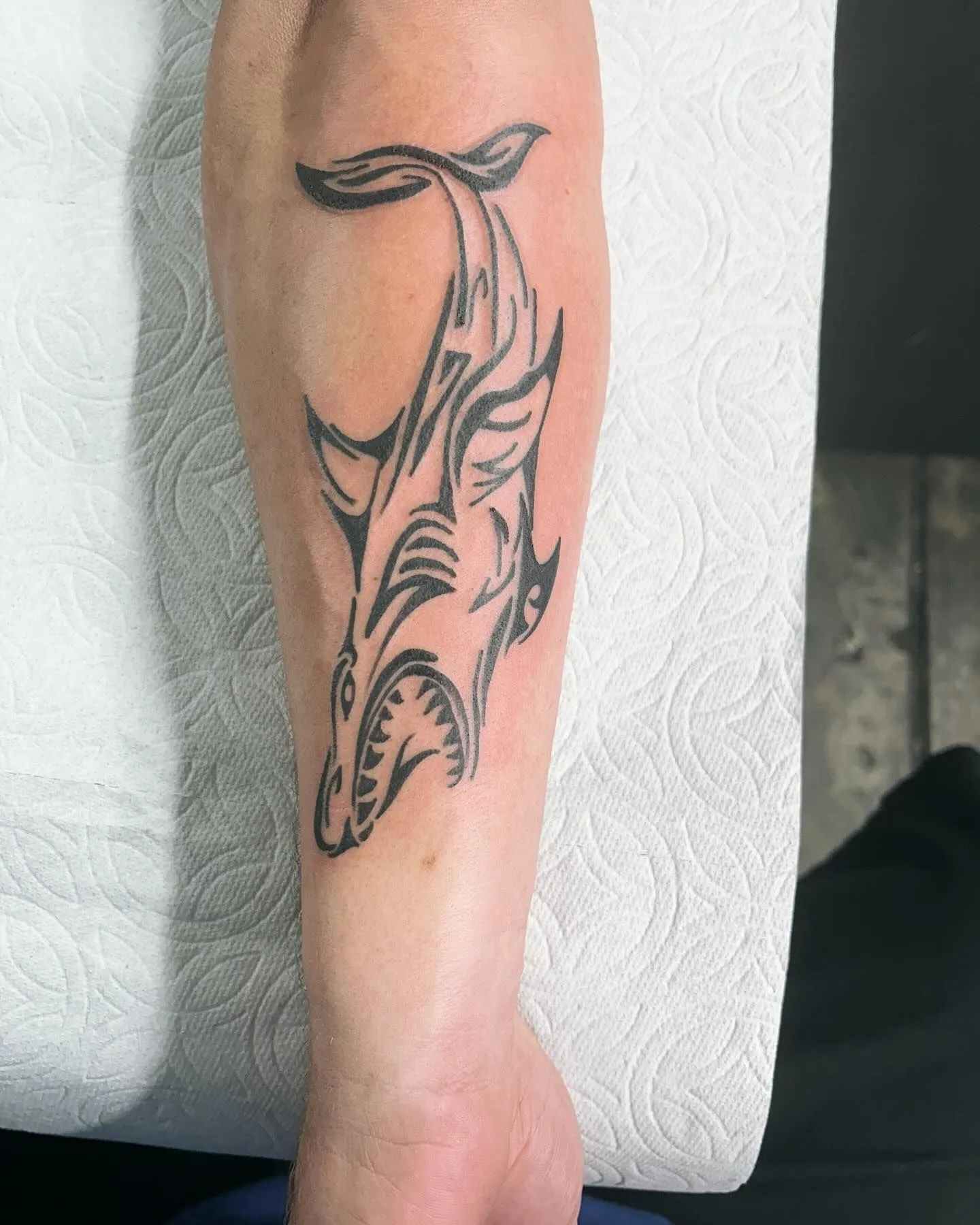
Once technical planning is complete, the tattooing process begins with outlining. Artists carefully follow the stencil, establishing the primary structure of the design. This step requires precision and steady hand control, as accurate lines form the foundation for subsequent shading and color work. For detailed designs, this phase may take several hours, emphasizing patience and meticulous craftsmanship.
Shading and Depth
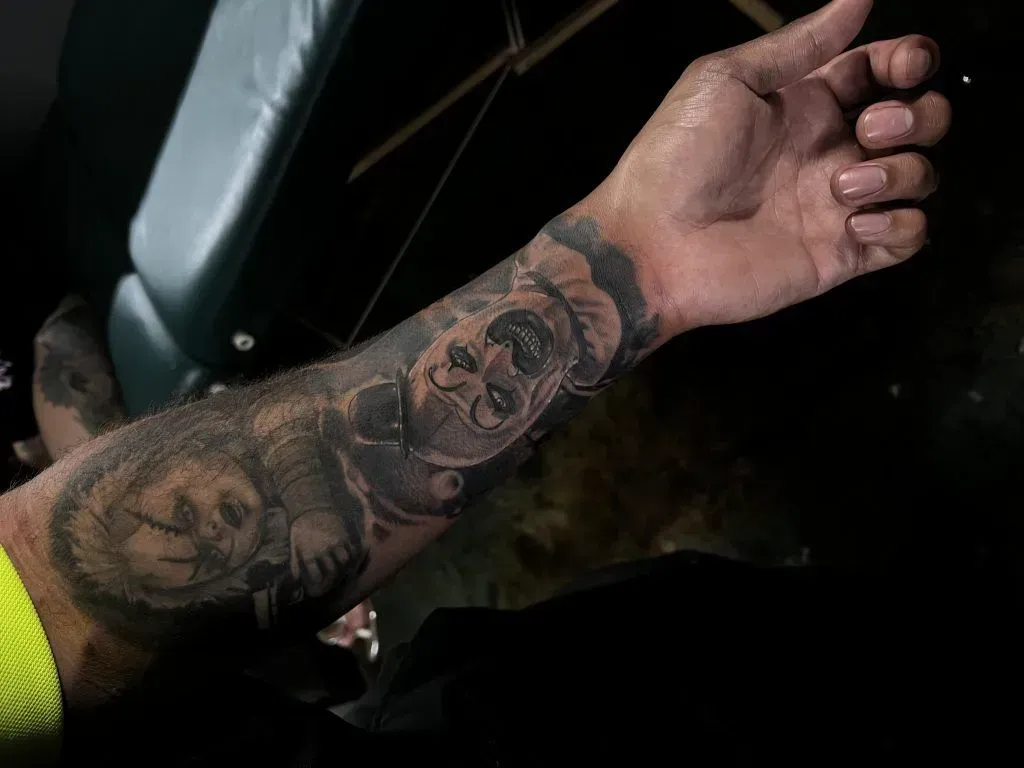
After the outline, shading introduces depth and dimension. Artists manipulate needle angles, pressure, and speed to create smooth transitions between light and dark areas. Proper shading enhances realism, adds texture, and emphasizes focal points. For example, in a portrait tattoo, subtle gradations of shading are essential to capture facial features accurately.
Color Application
Color application is a critical phase for vibrant, lasting tattoos. Artists layer pigments strategically, accounting for skin tone, ink absorption, and potential fading. Blending multiple colors requires technical expertise to maintain clarity, avoid muddiness, and achieve seamless gradients. Experienced artists adjust techniques in real time based on the client’s skin response, ensuring consistent results.
Real-World Example
Consider a client opting for a watercolor-style tattoo. The artist begins with a precise outline, then gradually applies color washes, blending shades organically to emulate brushstroke effects. This technique demands both artistic sensibility and technical mastery, as overworking the skin can compromise healing and pigment retention.
Pain Management and Client Comfort
Throughout the process, client comfort is prioritized. Artists schedule breaks, use topical anesthetics when appropriate, and monitor skin reactions. Understanding pain thresholds, skin sensitivity, and endurance allows for a smoother, more enjoyable tattoo experience.
Aftercare and Longevity: Protecting the Artwork
Immediate Post-Tattoo Care
After the tattoo session, proper aftercare is essential for healing and pigment preservation. The artist provides guidance on cleaning, moisturizing, and protecting the tattoo from friction or environmental damage. Immediate care prevents infection, scabbing, and color loss, setting the stage for long-term vibrancy.
Ongoing Maintenance
Long-term tattoo care includes sun protection, hydration, and periodic touch-ups if necessary. Exposure to UV light can fade pigments, while improper skin care may alter the tattoo’s clarity. Following professional recommendations ensures that the design retains its integrity over decades.
Recognizing Healing Patterns
Understanding the skin’s natural healing process helps clients anticipate changes, such as peeling, mild swelling, or color settling. Experienced tattooists educate clients on expected healing stages and red flags that require professional attention. This knowledge promotes confidence and reduces anxiety during recovery.
Benefits of Proper Care
Effective aftercare safeguards the investment in a custom tattoo. Beyond aesthetic preservation, it minimizes risks of infection, allergic reactions, or tissue damage. Clients who adhere to professional guidance often experience faster healing, improved color retention, and a more satisfying overall result.
Trusted Custom Tattoo Professionals With Decades of Experience
The journey from sketch to skin encompasses far more than mere needlework. It is a collaborative, multi-stage process that combines artistry, technical precision, and client communication. Each phase—from consultation to conceptual sketching, technical planning, tattooing, and aftercare—plays a crucial role in ensuring a design that is visually striking, personally meaningful, and enduring. Understanding these stages empowers clients to approach tattoos with confidence, making informed decisions and actively participating in the creative process.
At Illuminati Tattoo Co.
in Las Vegas, Nevada, we bring over 50
years of experience to every
custom tattoo project. Our team of skilled artists specializes in translating client visions into exceptional artwork that seamlessly blends aesthetics, precision, and longevity. We prioritize comprehensive consultations, meticulous technical planning, and detailed aftercare guidance to ensure each tattoo exceeds expectations. Trusted for generations, Illuminati Tattoo Co.
is committed to delivering an unmatched tattoo experience—one that transforms personal stories into timeless art etched in skin.