Want a Tattoo That Still Looks Sharp in 10 Years? Why Size and Line Weight Matter
State and Local Licensing Requirements
Technique matters. Fine line and single-needle work is often gentler because the needle does not pack the skin as heavily, while bold traditional lines, dense black-and-grey shading, and color packing involve more passes over the same area and tend to build more discomfort. Time is its own factor, too. Adrenaline can carry you through the first hour, but as it fades, an area that felt manageable early can feel rawer late in a long sitting. That is one reason larger pieces are often split across multiple sessions.
Your own threshold
Spore Testing
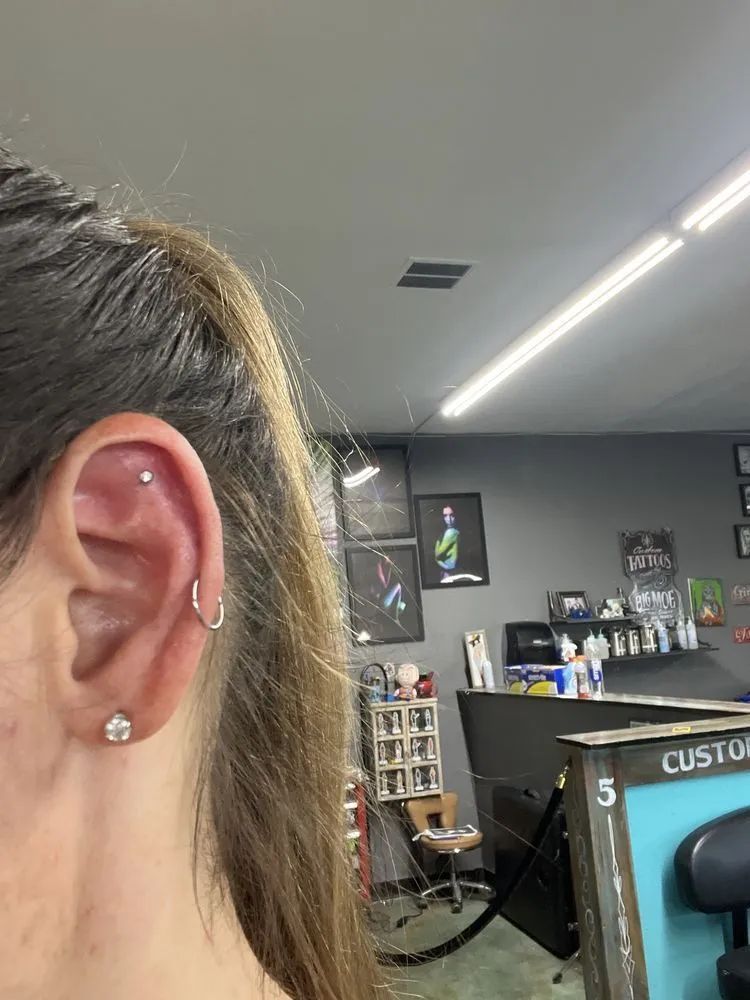
Piercing should take place in a space that is either a dedicated room or a clearly defined station separated from high-traffic areas. This separation matters because it reduces the risk of environmental contamination. Studios where piercing happens in an open walk-through corridor or directly on the sales floor without separation are not set up to maintain the sterile field that the procedure requires..
How you show up
Quick Answer: A tattoo holds its shape for the long haul because of two decisions made before the needle ever touches your skin: how thick the linework is and how much room the design gets to breathe. Fine, tightly packed lines are the first thing to blur as skin cells turn over and ink settles deeper into the dermis. Bolder lines with generous spacing stay legible for decades. If you want a piece that still reads clearly ten or twenty years from now, size and line weight deserve just as much thought as the image itself.
What Actually Happens to Ink Under Your Skin
A fresh tattoo looks crisp because the pigment sits in a tight, well-defined band just below the surface. That clarity doesn't last by accident. Your skin keeps doing what skin does: shedding old cells, growing new ones, and shifting collagen around as you age, gain or lose weight, and spend time outside. The ink particles don't dissolve. The tissue holding them in place is constantly on the move.
Immune cells called macrophages are part of why a tattoo stays put at all. They absorb pigment particles and hold them in the dermis, and when those cells eventually die off, neighboring macrophages pick up the ink and carry it a short distance before settling back down. Multiply that across thousands of cell cycles over ten years, and you get a small, gradual spread of pigment outward from where it started. Artists sometimes call this ink migration. It's a normal part of how a tattoo behaves as it ages, not a sign something went wrong.
Here's the part that matters for your design decisions: this spread affects thin lines far more than thick ones. A quarter inch of drift is barely visible on a bold half inch line. That same drift on a hairline detail can turn a crisp image into a soft gray smudge.
Why Line Weight Is the Real Longevity Factor
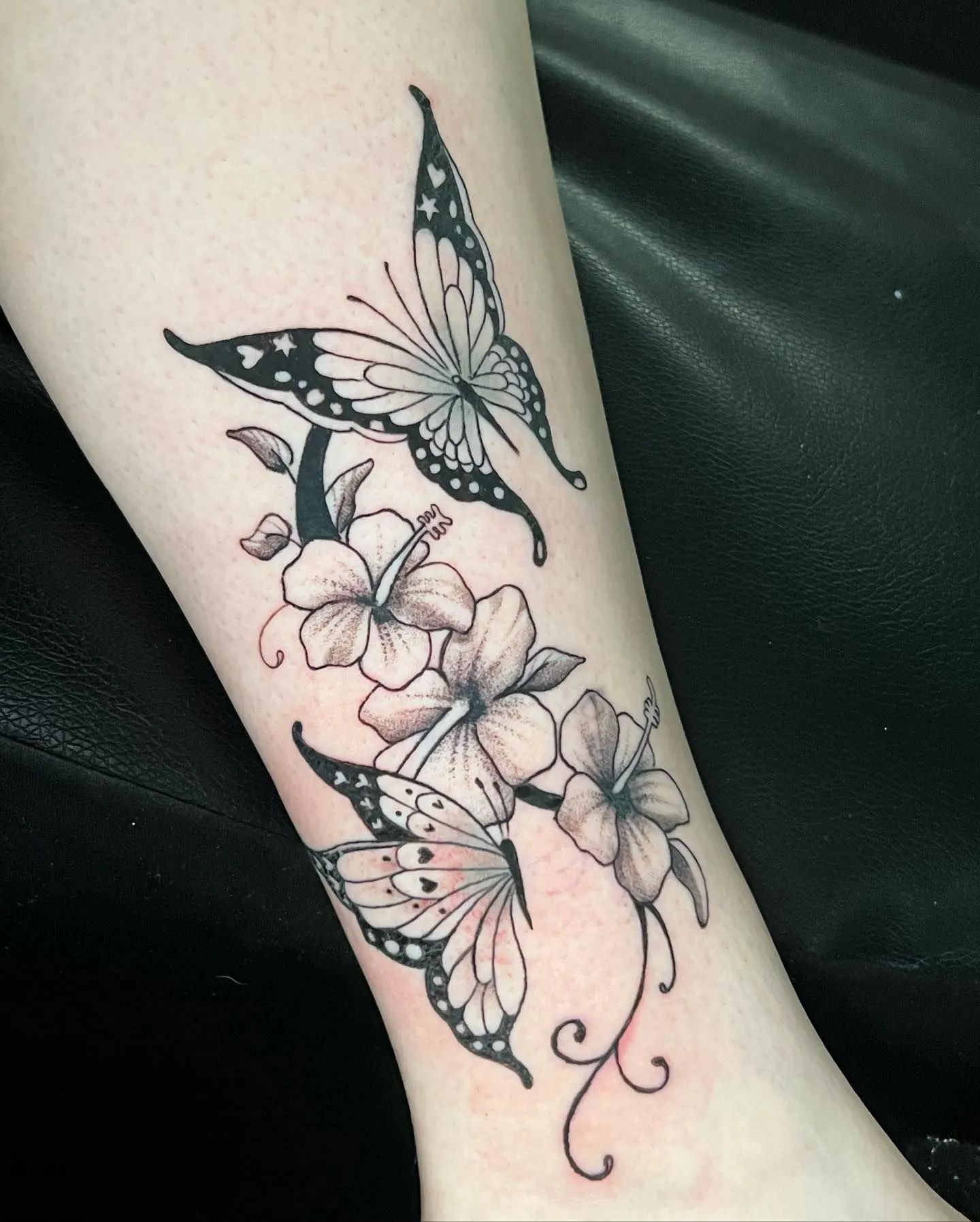
Ask any experienced artist what ages worst, and delicate linework packed close together tops the list almost every time. It's not that fine-line tattoos are poorly made. It's physics. When two lines sit closer together than the ink can reliably hold its edges, they start to visually merge as pigment spreads with age. Two distinct lines can read as one thick, blurry line within a handful of years, especially on skin that moves a lot or sees regular sun.
Thicker lines have more surface area for pigment to occupy, so they absorb natural spread without losing their shape. A line that starts at two millimeters wide still reads as a clean line even after some drift. A hairline that starts at a fraction of that width has almost no margin before it looks fuzzy.
This is exactly why a real design conversation with your artist matters before you sit in the chair. A delicate, single-needle look might be gorgeous in a reference photo, but shrink it down onto a small placement with tightly packed detail and you're setting it up to blur fast. A skilled artist will often adjust linework, spacing, and even the composition once they know you want something built for the long haul, not just for how it looks the day you leave the studio.
Size and Negative Space: Give the Design Room to Breathe
Size and line weight are close cousins here. A large-scale piece can carry fine detail because there's enough real estate for lines to spread slightly without crowding each other. Shrink that same design down to fit on a wrist or behind an ear, and the linework that looked stunning at full size can turn into a dark, illegible smudge within a few years.
Negative space, the untouched skin between lines and shaded areas, is doing real work in a tattoo's composition. It's what keeps a piece from reading as one solid block of ink once some natural spread happens. Designs with generous negative space age more gracefully because there's more room before adjacent elements start to touch. Tight, maximalist compositions look incredible on fresh skin. They're also usually the first to lose definition.
Want a smaller tattoo anyway? You're not stuck with something that won't last. The design itself just needs to be simplified: fewer lines, slightly bolder weight, more open space between elements. That combination holds up far better at a small scale than a heavily detailed design that was really meant to live bigger.
Tip: If you love a highly detailed reference image but want it small, ask your artist about simplifying it instead of shrinking it as-is. A version with fewer, bolder lines usually captures the spirit of the design and ages a lot better than a literal miniature copy.
Placement and Skin Behavior Matter Too
Where a tattoo goes on your body changes how it ages almost as much as line weight does. Fingers, hands, feet, and the inside of your wrist flex constantly, and that stretching, folding, and rubbing puts real stress on ink placement. Fine detail in these spots tends to soften and spread faster than the same linework placed somewhere flatter and more stable, like the upper arm, shoulder, calf, or back.
Skin thickness and elasticity play a role too. Thinner skin holds ink less predictably over time. That's part of why certain placements are known among artists as tougher long-term canvases even when the healing process goes perfectly. None of this puts those spots off-limits. It just means a good artist will often recommend a bolder approach for a hand or finger piece than for the same design going on a thigh.
Weight changes, sun exposure, and simply getting older all continue to reshape your skin regardless of where the tattoo sits. Solid line weight and thoughtful spacing give a design more room to absorb that change and still look intentional a decade later.
The Las Vegas Factor: Sun, Dry Air, and Pool Season
Living here adds a few extra variables. Desert sun is intense most of the year, and UV exposure is one of the fastest ways to dull a tattoo's clarity, especially on fine linework that had little margin to spare in the first place. Poolside a lot or out on the Strip in short sleeves? Sunscreen over healed tattoos isn't a nice-to-have. It's one of the best things you can do to protect the piece you invested in.
The dry desert air here also pulls moisture out of your skin faster than a humid climate would. Well-hydrated skin holds detail better over time, so a simple habit of moisturizing regularly, especially on areas that see sun like arms, hands, and lower legs, pays off in how your tattoo reads years down the line. Between pool days, hiking, and long stretches of low humidity, Las Vegas skin works a little harder to stay in good shape. Your tattoo benefits from that same care.
Working With Your Artist to Design for the Long Haul
The single best move you can make is having an honest conversation about longevity before your artist ever picks up a machine. Bring reference images, sure, but say upfront that you want the piece to hold up over the next decade, not just look great in the first healed photo. A strong custom design process takes your placement, your skin, your lifestyle, and the size you actually want into account, then adjusts line weight and spacing to match.
Experience shows here too. An artist who has watched hundreds of pieces age over the years develops a real instinct for which lines need more weight, which details should get simplified, and where negative space needs to open up. That instinct is part of what you're paying for when you choose a custom design over a flash piece pulled straight off a reference sheet.
Warning: Skip the temptation to copy a tiny, ultra-detailed design exactly as-is from a photo you found online, especially if it was originally tattooed on someone with different skin or at a much larger scale. What looks flawless in someone else's healed photo may not translate the same way onto your body at a different size.
Frequently Asked Questions
Does a bigger tattoo automatically age better than a small one?
Not automatically. Larger tattoos provide more room for detailed linework and spacing, helping preserve clarity. Smaller tattoos can also age beautifully when artists simplify intricate details, use appropriate line weights, and maintain sufficient negative space.
How soon will I notice a tattoo starting to change?
Most tattoos change gradually over several years rather than suddenly. Fine details and closely spaced lines may soften sooner, particularly with frequent sun exposure or movement, while bold, properly spaced linework generally maintains definition much longer.
Can an older tattoo with blurred lines be fixed?
Often, blurred tattoo lines can be improved through professional touch-ups or reworking. An artist may strengthen existing lines, modify softened details, or incorporate affected areas into a larger design based on the tattoo’s current condition.
Is fine-line work a bad choice if I want something permanent-looking?
Fine-line tattoos can remain attractive long-term when designed with longevity in mind. Proper sizing, sufficient spacing, thoughtful placement, and skilled application help delicate lines maintain definition while reducing the likelihood of details eventually appearing crowded or blurred.
Does tattoo color fade differently than black linework?
Yes. Black and colored tattoo inks can change differently over time. Bold black lines often maintain definition longer, while certain colors may gradually soften or fade faster, particularly with frequent sun exposure and inadequate long-term skin protection.
Designing Tattoos That Stay Clear for Decades
A tattoo that ages well starts with choices that respect how skin and ink naturally change over time. Thoughtful sizing, balanced negative space, appropriate line weight, and suitable placement all help preserve clarity as the years pass. With more than 50 years of experience as a company, Illuminati Tattoo Co. in Las Vegas, NV understands how these design elements work together, allowing detailed artwork to remain readable while still reflecting the style and character intended from the beginning.
Long-term results also depend on
treating each tattoo as a design made specifically for the person wearing it. Fine lines may need additional spacing, smaller concepts may benefit from simplified details, and certain placements can call for stronger linework. Sun protection and consistent skin care further support the tattoo as it naturally settles and matures. When longevity is considered during the initial design process, the finished piece has a stronger foundation for maintaining its definition, balance, and visual impact for many years.